

Time for an upgrade.
When Ferguson acquired Dogwood Building Supply in 2018, the company gained significant expertise in multifamily renovation solutions. That expertise largely sat dormant until Ferguson Facilities Supply was ready to expand its renovations presence and needed marketing collateral to match.
Our team was brought in to partner with the former Dogwood team and translate their deep product and industry knowledge into Ferguson's brand language — building a full marketing presence for a business segment that previously had very little.
The goal wasn't just awareness. It was legitimacy. We needed to make multifamily renovations feel like a destination, not an afterthought.
My Role
I led copy strategy on this project alongside a junior copywriter — someone who I had referred, interviewed, and onboarded myself. This was one of his first real projects, and part of my role was making sure he had the guidance and context to contribute meaningfully while I maintained strategic ownership of the work. It's one thing to write a campaign. It's another to bring someone up through one.
The Strategy
This audience — consisting of residential/multifamily property managers, facilities directors, maintenance teams — is practical by nature. They're not moved by aspirational lifestyle photography or vague brand promises. They want to know what works, why it works, and what it will mean for their properties and residents.
To understand that audience on their own terms, I went directly to the source. My wife worked in multifamily property management at the time, and I consulted her, her property manager, and her maintenance team to understand what would actually resonate and what they looked for, what they ignored, and what made renovation decisions easier or harder to make. That primary research shaped the creative strategy from the ground up.
What we landed on: position Ferguson's renovation capabilities the way a luxury apartment community would want to be positioned — aspirational enough to command attention, practical enough to drive action. Our customers typically operated in the mid-range market, but there was no reason their marketing materials had to feel that way.
The Catalog
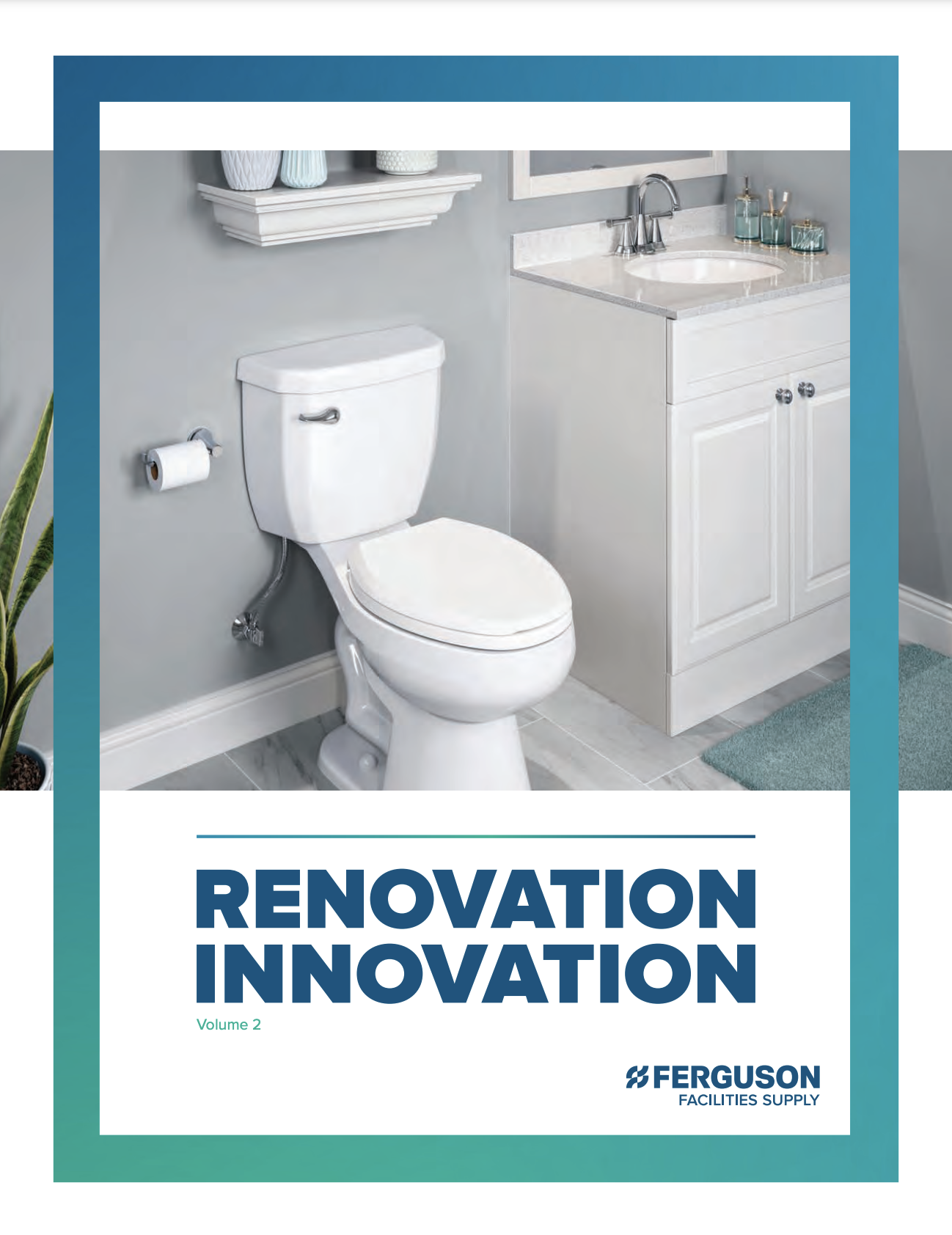
One of the most deliberate decisions on this project was what to do with the product catalog. Most renovation catalogs are product-only — listing what a company sells, the price, and the SKU. That's functional. It's also forgettable.
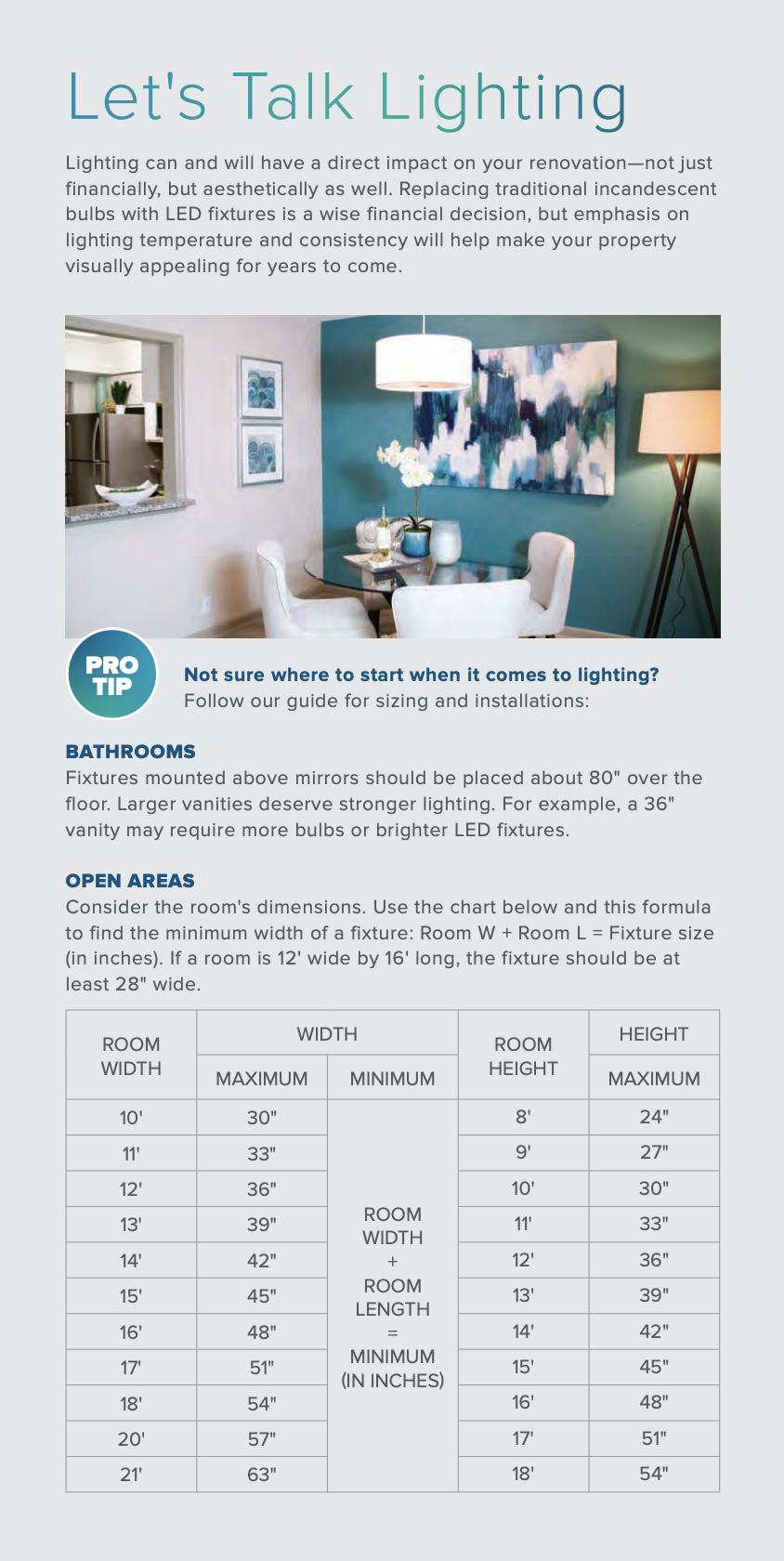
Looking at competitor materials, I saw a consistent gap: few were editorializing, and almost nobody was explaining the why behind the products they were selling. So I proposed a thought leadership layer: short editorial-esque pieces woven into the catalog that gave property managers real context alongside the products.
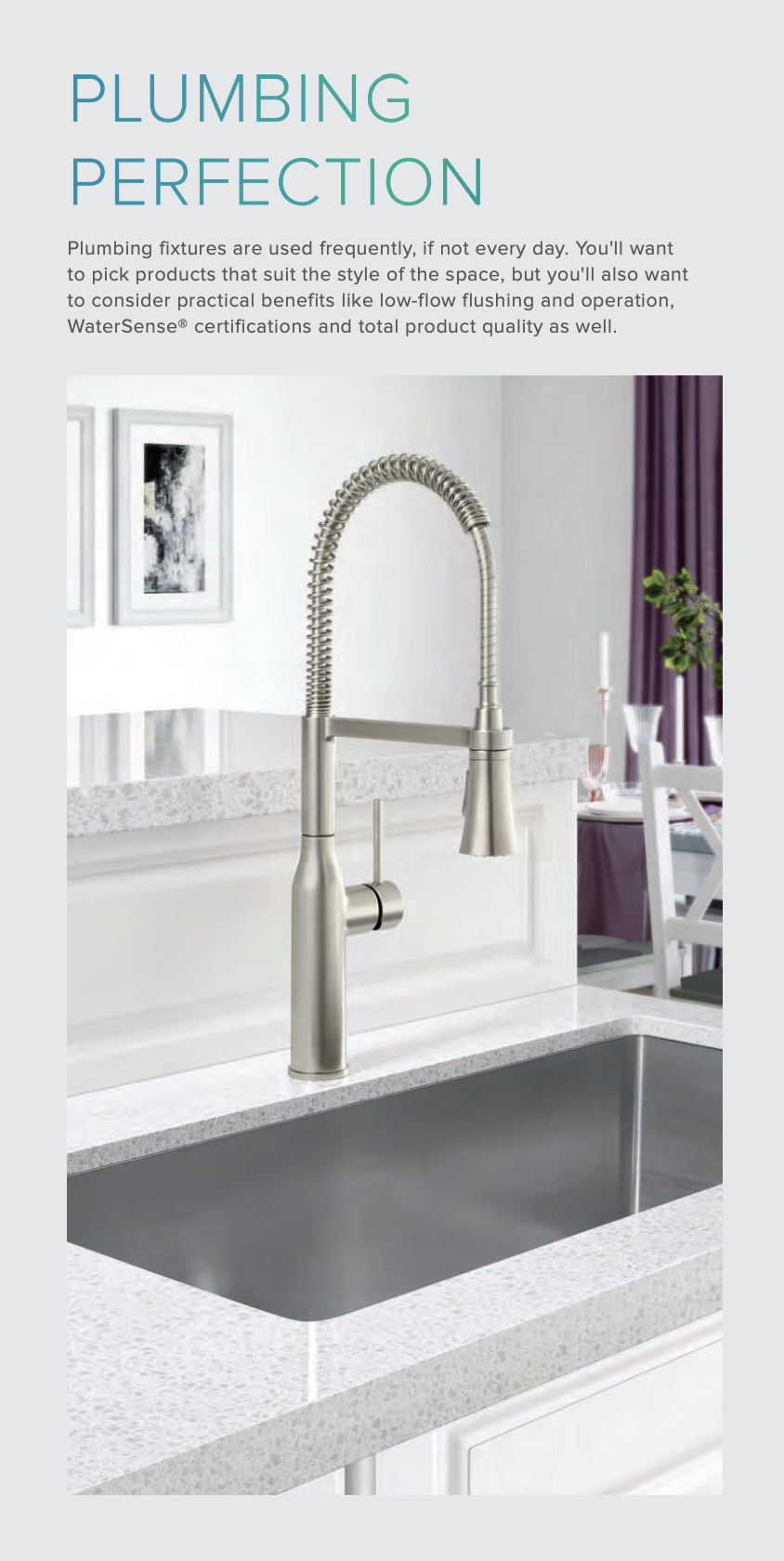
How updating wall plates can subtly improve a property's aesthetic. The practical differences between LED and incandescent lighting at scale. What plumbing replacement actually looks like as a renovation investment. Good, better, best product tiers — with the reasoning behind them spelled out, not just assumed.
The idea was that people connect to stories and useful information, not just SKUs. Leadership was receptive. Designers made it work. The result felt less like a product catalog and more like a resource worth keeping.



The Emails
The email component of this initiative was built within an early iteration of a templated, plug-and-play email design system — one of the first of its kind for the team.
I wasn't the driver of that initiative, but understanding the system's constraints shaped how we wrote within it: where copy would live, how much space existed for messaging, where CTAs would fall, how to feature product without sacrificing narrative flow. Working within a design system turned out to be less of a limitation, and more of a creative and strategic exercise in making the most of the sandbox you’re in.


Pitching a Virtual Walkthrough
As part of Ferguson's annual “Pitch Day” (an internal initiative that invited marketing associates to present ideas aligned to the annual marketing plan's KPIs), I developed a concept for a virtual renovation walkthrough experience.
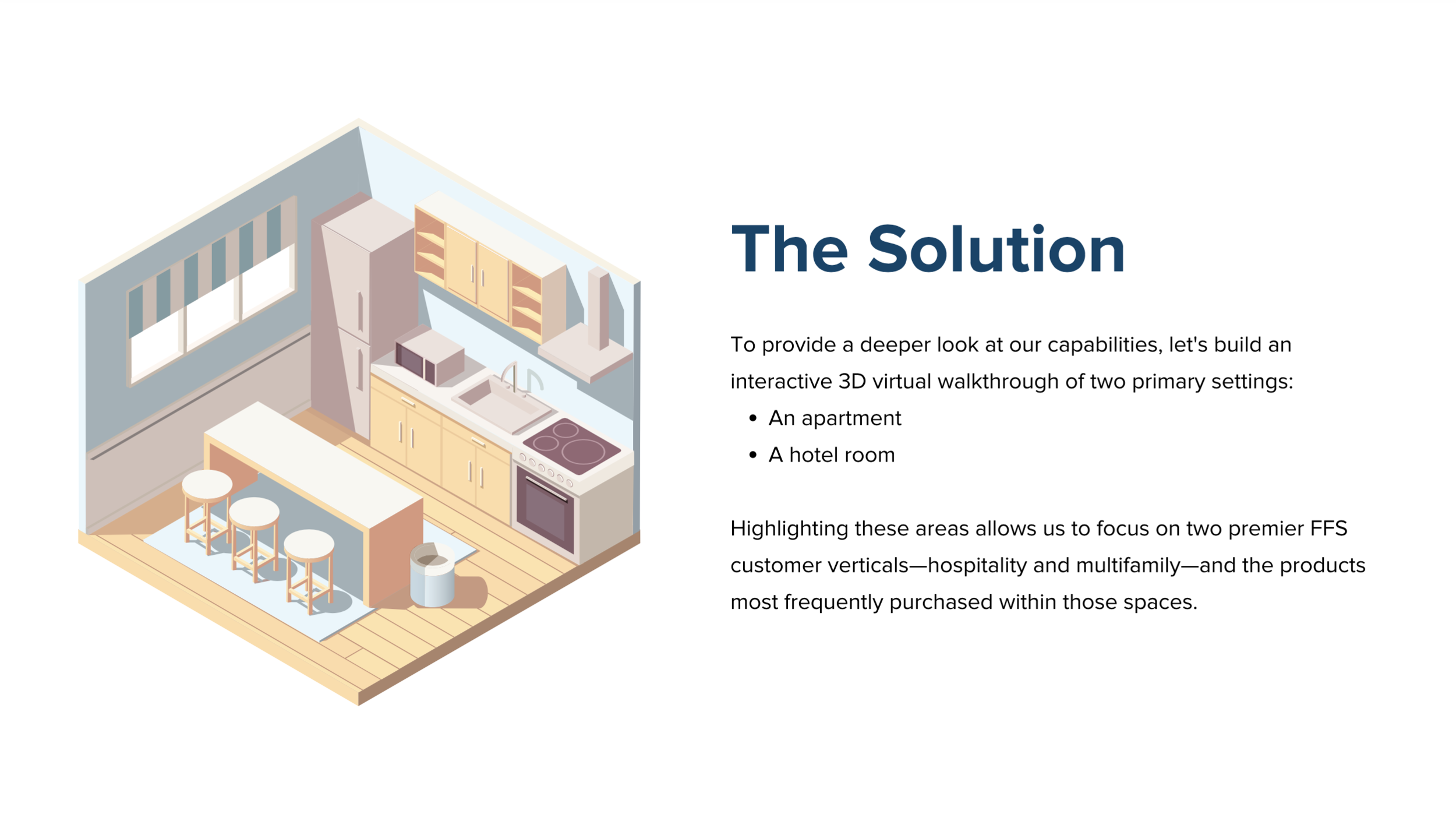
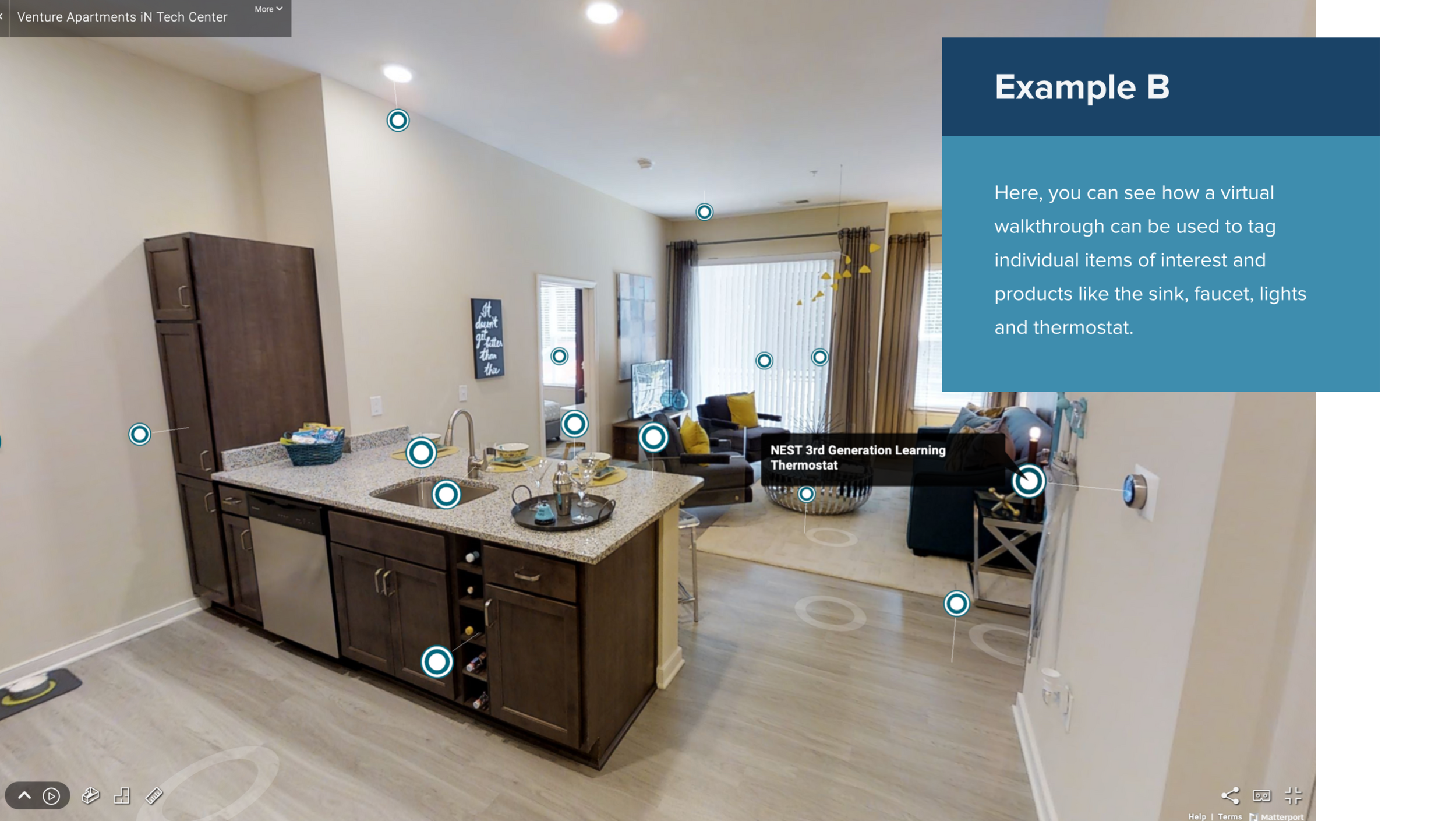
The idea: rather than asking property managers to imagine what a renovated space could look like, show them. An interactive digital walkthrough that mapped our renovation solutions onto a realistic property environment — room by room, product by product.
I didn't just pitch the idea. I researched the viability thoroughly, built a proof-of-concept with supporting data, and — because words on a slide only go so far — taught myself to build interactive menus in Figma to make the vision tangible. If you want people to see what you see, sometimes you have to show them.
The concept didn't move forward after I left Ferguson. But the pitch itself reflected something I believe about good marketing: if you can make someone experience the idea instead of just hear it, you've already won half the battle.


The Outcome
Without hard metrics to point to, the most honest measure of this campaign's success was the overwhelmingly positive response from the multifamily renovations team itself.
A piece of the business that had previously been underserved now had marketing materials that felt polished, purposeful, and worth putting in front of customers, and that's what good marketing activation looks like.