
Legacy takes a team.
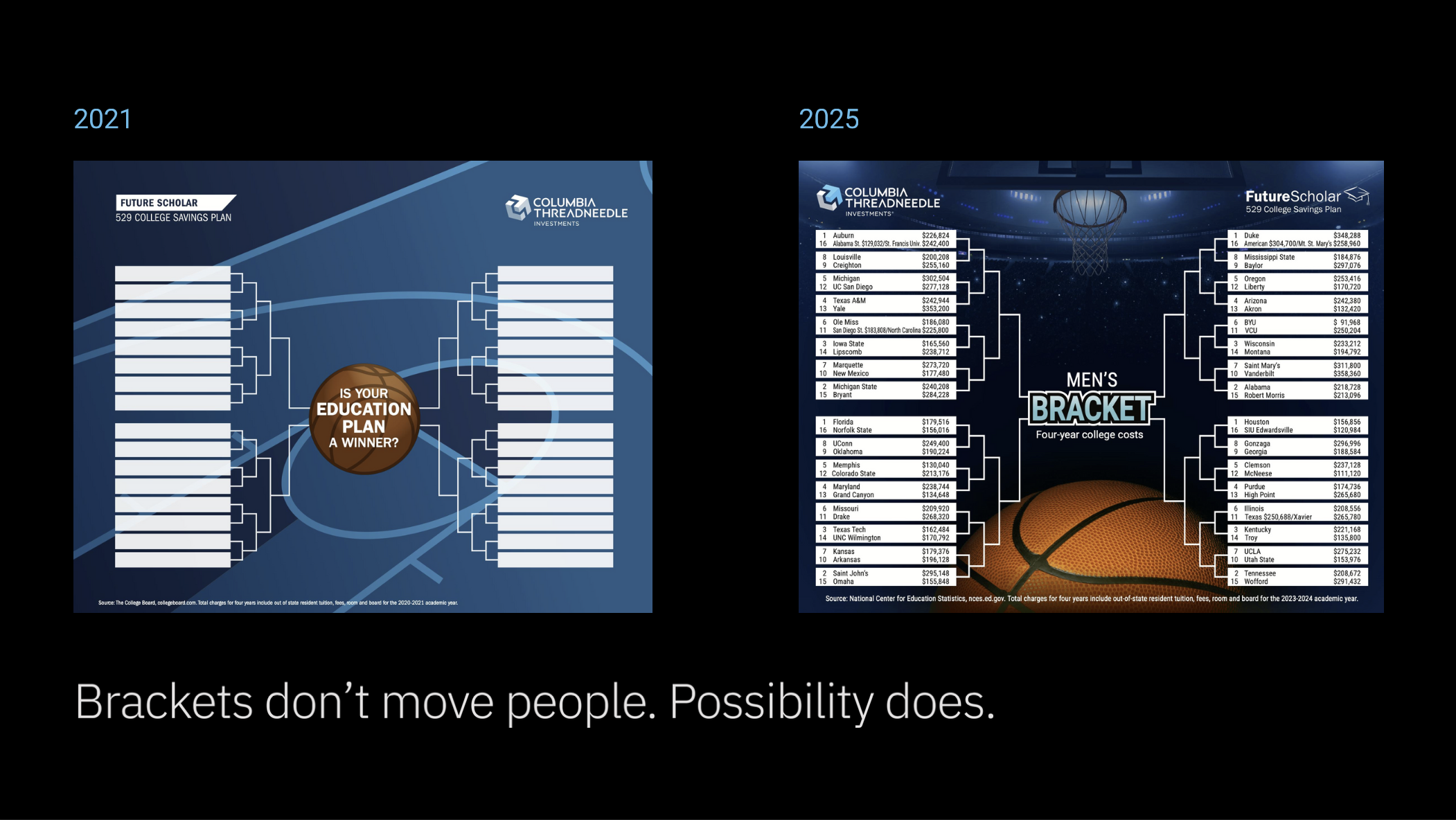
Every March, people fill out brackets based on instinct, research, and hope. For years, Columbia Threadneedle’s March Madness-themed 529 plan campaign adopted that familiarity to show how college costs stack up. The question for this project was: how do you refresh a format that familiar to make it feel meaningful again?
This campaign is one of the company’s most anticipated marketing moments of the year — a franchise effort that financial advisors actively look for, ask about, and engage with. Over time, it evolved from simple bracket flyers into a full-scale initiative that earned multiple industry awards along the way.
But familiarity had started to work against it. Performance remained strong, but the concept had plateaued. Leadership split creative into teams and challenged us to rethink the campaign from the ground up — not by abandoning what made it work, but by finding a way to make it matter more.

My Role
I led concept development for a two-person team — myself and a design partner. Over a few weeks, from kickoff to final presentation, we developed and pitched a fully realized creative concept to a panel of creative and marketing leadership.
From the start, I worked the way I always do: understanding that words on a page only go so far. To help my partner understand the emotional intent behind the copy, I sourced reference photography and built rough visual mocks — translating a narrative vision into something we could both see, react to, and refine together. It's a collaboration style that tends to produce better work than handing over a Word document and hoping for the best.
The Challenge
The brief had a tension baked into it: March Madness is inherently playful and competitive, but 529 planning is serious, long-term, and deeply personal. Too much sports energy and you lose the emotional resonance. Too much gravitas and you lose the cultural hook that makes the campaign work in the first place.
Early concept exploration tested both ends of that spectrum. One direction leaned into urgency — positioning tuition as a relentless opponent, advisors as coaches helping families play defense. Another took a more celebratory tone, honoring families and planning strategies as the real hall-of-famers. Both had merit. Neither was complete.
The Concept
Through critique and iteration, we fused the strongest elements of both directions into something neither could achieve alone — combining urgency with optimism, competition with legacy, and sports language that supported the message instead of overwhelming it.
Legacy takes a team. No one wins alone.
The concept reframed the campaign around a single idea: education planning isn't about winning a single moment. It's about building something over time. Tuition became an opponent that never takes timeouts. Advisors became trusted teammates. Small, consistent contributions became momentum — not miracles.
The real win wasn't a bracket result.
It was a future built by choice, not chance.
The Creative Direction
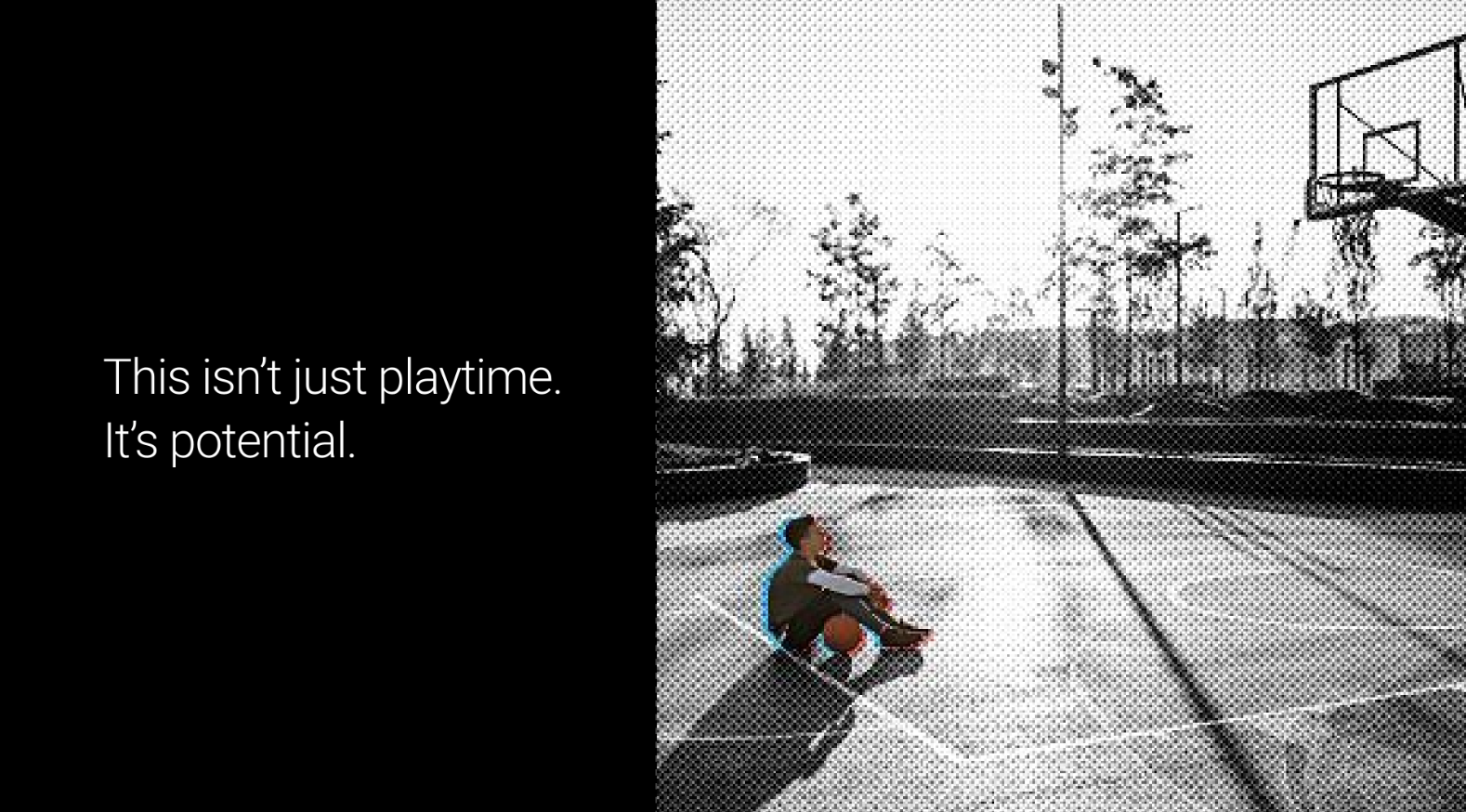
Visually, we moved away from bright, game-heavy graphics toward something more intentionally human. Black-and-white photography paired with bold outlines and a dot matrix effect kept subjects in color while backgrounds receded — reflecting how parents hold their child's future in sharp focus while navigating everything else around them.
The aesthetic borrowed from vintage sports photography and print textures, applied in a way that felt modern instead of nostalgic. Basketball remained present throughout, but never the point. People and potential stayed in focus.
When it came time to present, we didn't just walk the room through slides. We built a narrative case for the concept — why it worked, what it solved, and why it was the right direction for a campaign that needed perspective more than reinvention.

“What if your kid was the next Michael Jordan? Or the next Caitlin Clark?”
The Outcome
Ultimately (unfortunately), our concept wasn't selected. The direction chosen took a different path — one that, in hindsight, encountered some of the challenges our approach was specifically designed to avoid.
That's creative work. You don't win every pitch. But half the voting panel felt this concept carried weight, and I'd make the same strategic choices again with confidence.
What this project reflects isn't a single outcome. It's how I approach creative direction: building a shared vision with a collaborator, pressure-testing ideas through critique, and advocating for the work with conviction when it counts.
Legacy campaigns don’t need reinvention for reinvention’s sake. They need perspective, and a team that’s willing to push them forward.
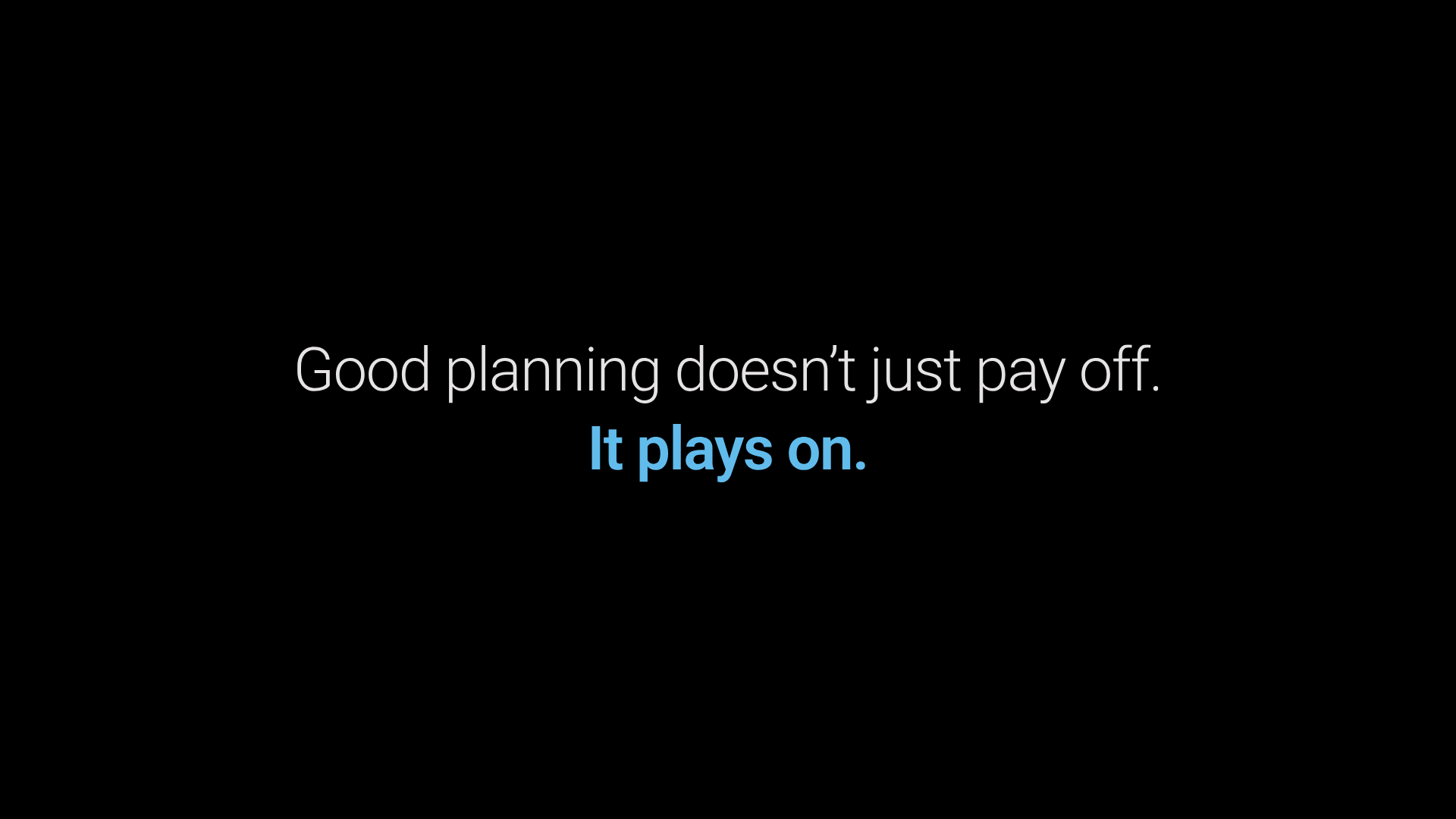

Display Ad (Frame 1)
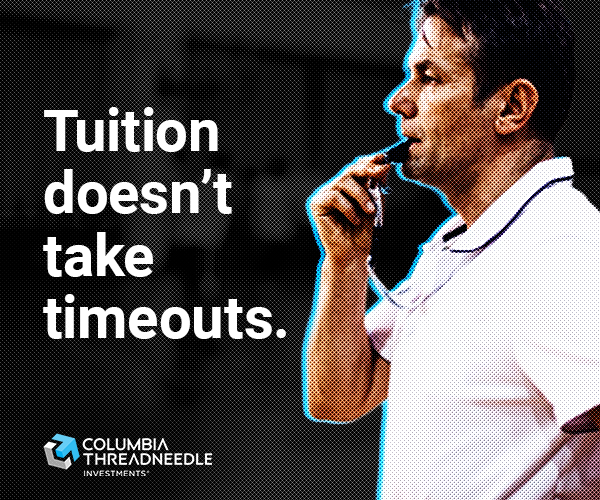
Display Ad (Frame 2)

Display Ad (Frame 3)

Display Ad (Frame 4)
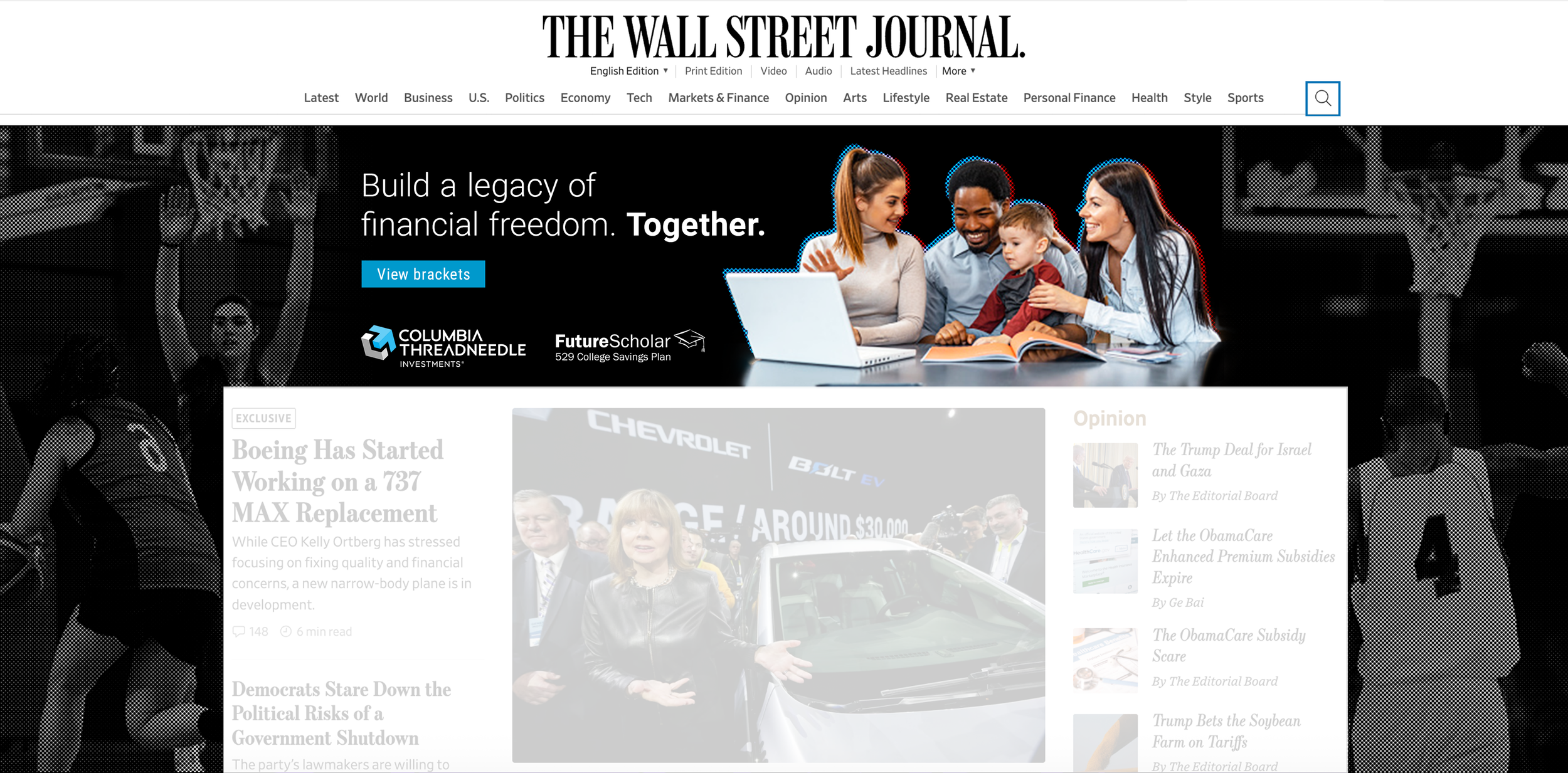
Website Takeover Ad
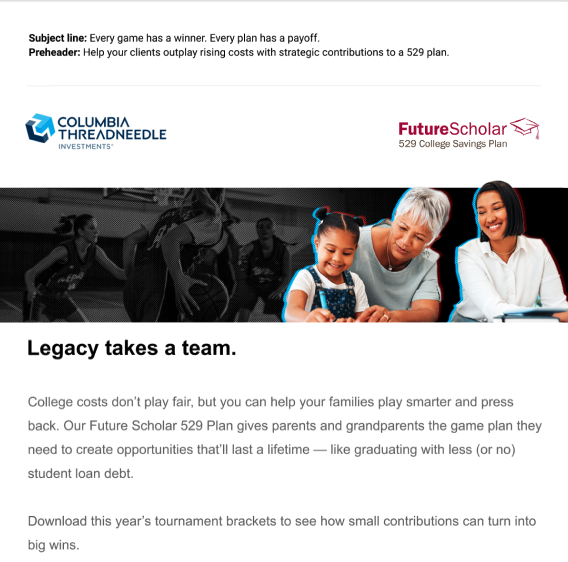
Email (B2B)
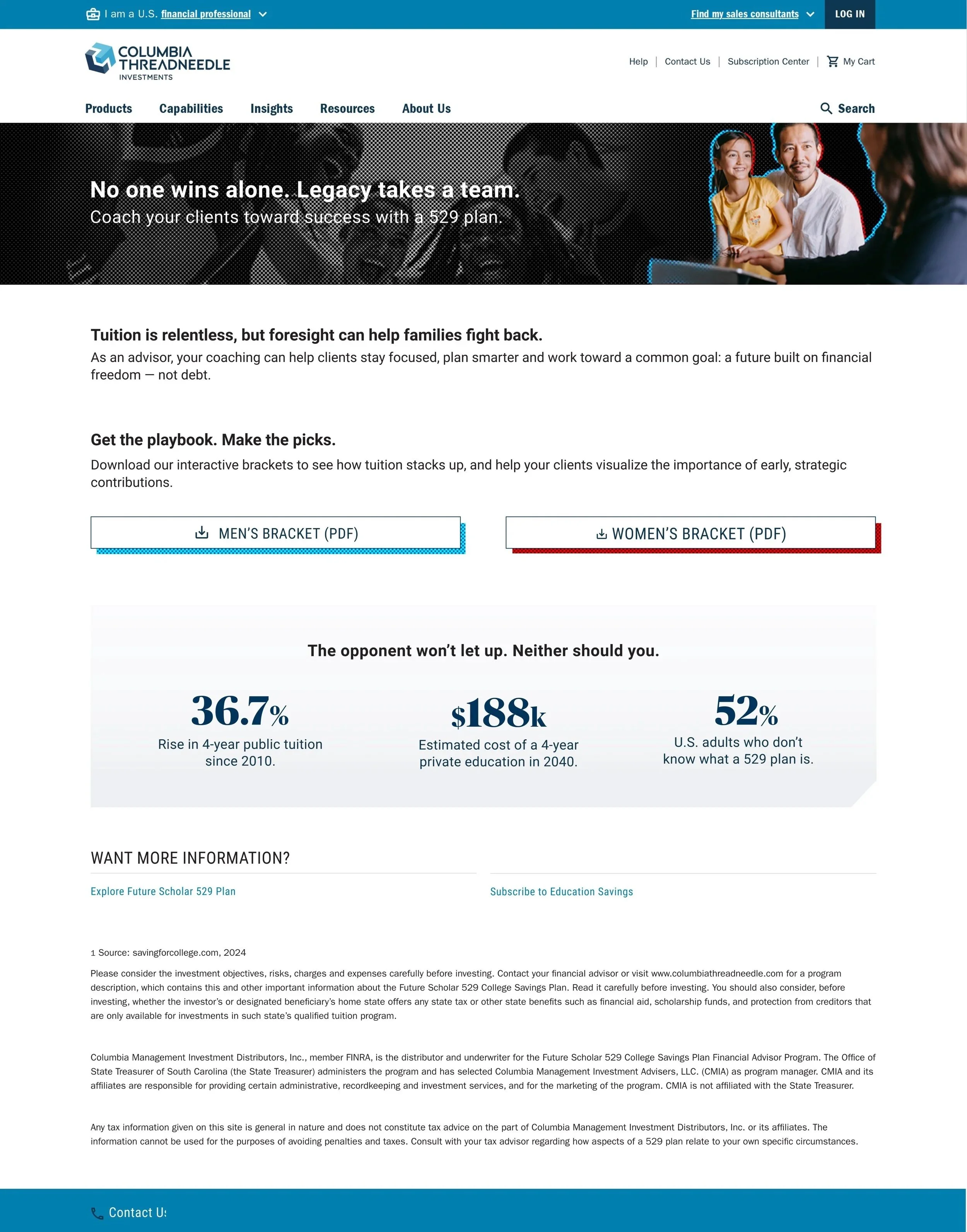
Landing Page
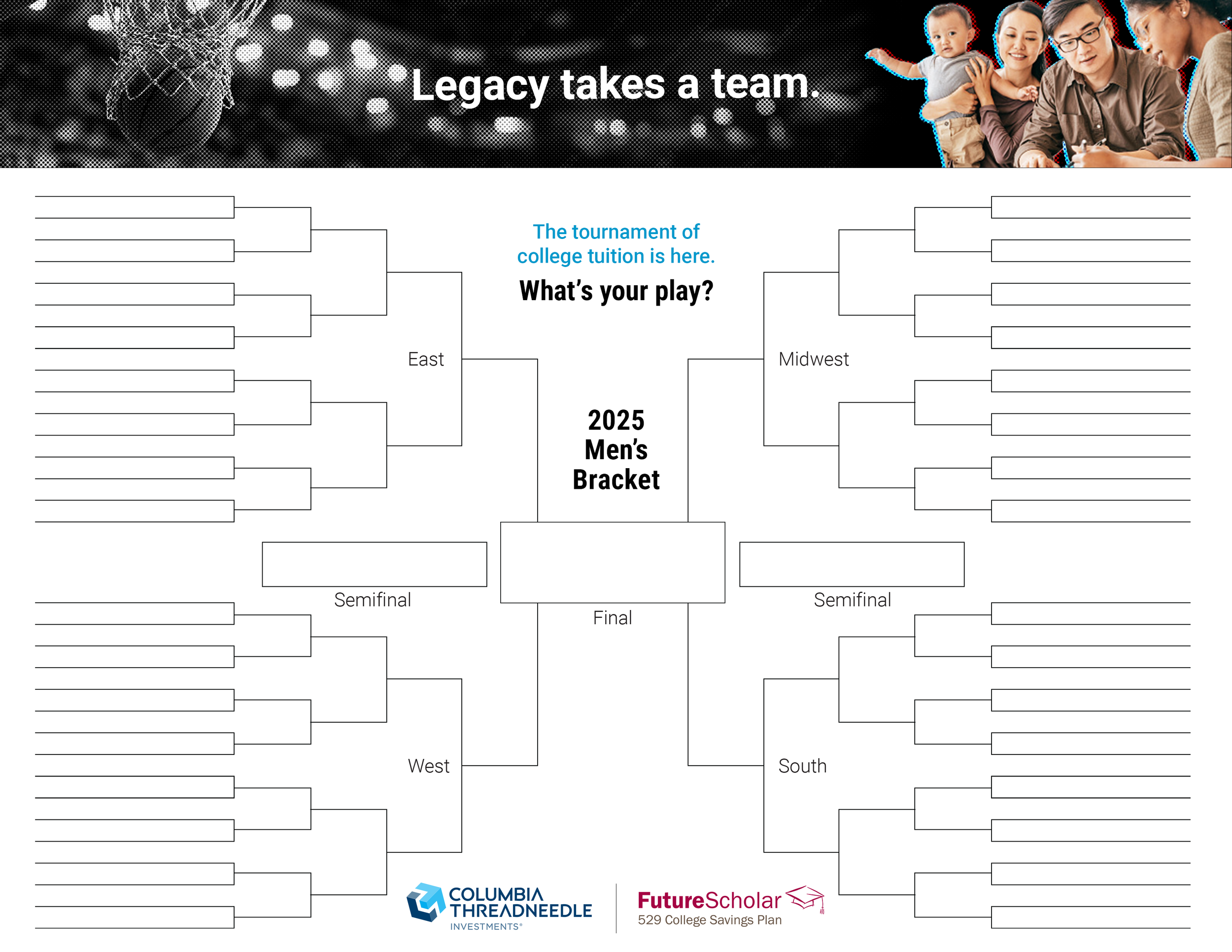
Fillable Bracket